Choosing Chicken Breeds- Color vs. Production
When building your backyard flock, choosing the right breed of chicken can make all the difference. What to consider when choosing the right breeds for your coop.
3/5/20264 min read


We have all seen the baskets of beautifully colored eggs all over our social media pages and for a long time, that was my goal. A basket full of rainbow colored eggs. However, when we hit a point last winter where there were no eggs in the grocery stores, I also didn't have any eggs from my backyard flock because most breeds that produce rainbow colored eggs only lay around 150 or so a year. This year I chose to stick with shades of brown and white but still be able to collect eggs from my backyard all winter. I chose food security over pretty pictures that I could post online. This year I may add some more pretty egg layers to my flock, but I will keep enough production hens to keep my family fed. Choosing the right chickens for your backyard coop isn’t just about looks or temperament—it’s also about the eggs. Some breeds are egg-laying machines that can keep your kitchen stocked year-round, while others produce stunning eggs in shades of blue, green, chocolate brown, or even speckled patterns. When building your flock, you’ll want to decide whether your priority is egg quantity, egg color variety, or a balance of both.
In this guide, we’ll explore how to choose chickens based on how many eggs they lay and what color eggs they produce, so you can create the perfect flock for your needs.
Why Egg Production Matters
If your main goal is a steady supply of eggs for your household, you’ll want breeds known for high production. These chickens typically lay 250–320 eggs per year, especially during their first few laying seasons.
High-production breeds are often more efficient layers because they were selectively bred for egg output rather than appearance or rarity.
Top High-Production Egg Layers
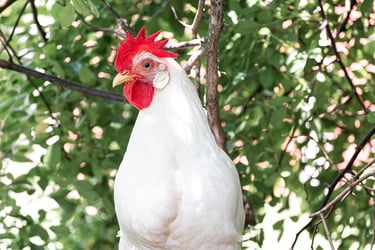
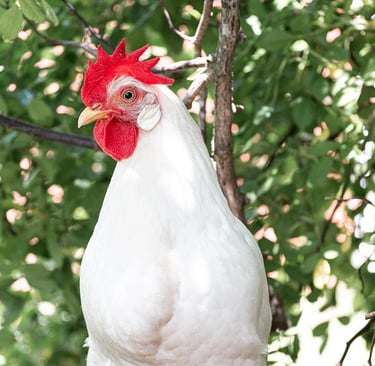
White Leghorn
Eggs per year: 280–320
Egg color: White
Personality: Active and efficient
Best for: Maximum egg production
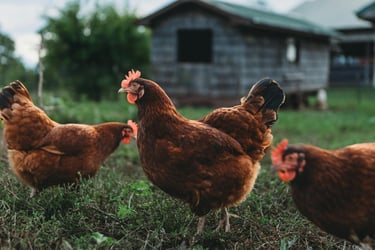
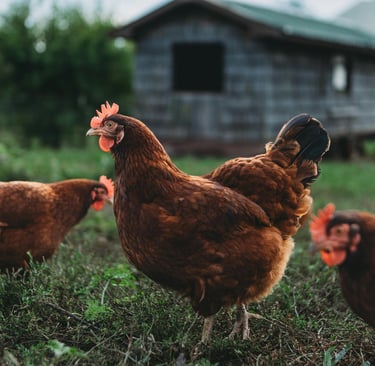
Rhode Island Red
Eggs per year: 250–300
Egg color: Brown
Personality: Hardy and adaptable
Best for: Reliable backyard layers
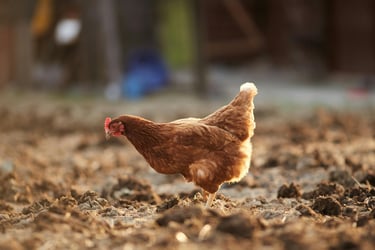
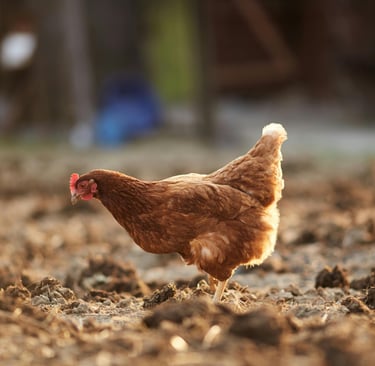
ISA Brown
Eggs per year: 300+
Egg color: Brown
Personality: Friendly and docile
Best for: Consistent egg supply
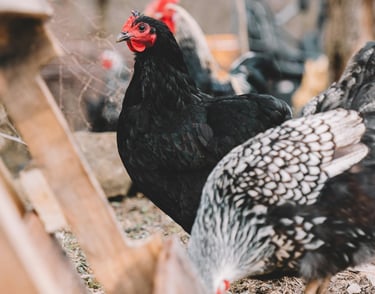
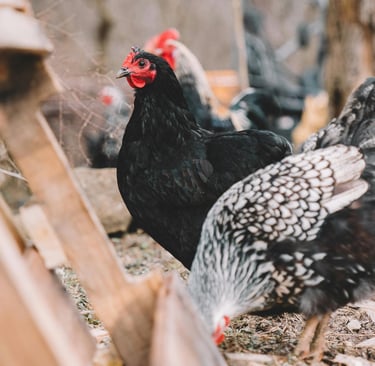
Australorp
Eggs per year: 250–300
Egg color: Light brown
Personality: Calm and cold-hardy
Best for: High production with a gentle temperament
These breeds are perfect if you want your coop to function like a small egg farm.
Chickens That Lay Colorful Eggs
For many backyard chicken keepers, egg color is half the fun. A basket filled with blues, greens, dark browns, and speckles feels like a daily treasure hunt.
While colorful-egg breeds usually lay fewer eggs than commercial layers, they add beauty and variety to your flock.
Popular Colorful Egg Layers
Ameraucana
Eggs per year: 180–220
Egg color: Blue
Personality: Curious and friendly
Easter Egger
Eggs per year: 200–250
Egg color: Blue, green, or sometimes pinkish
Personality: Hardy and unique
Marans
Eggs per year: 150–200
Egg color: Dark chocolate brown
Personality: Calm and quiet
Olive Egger
Eggs per year: 150–200
Egg color: Olive green
Personality: Usually docile hybrids
These birds are perfect if you want a rainbow egg basket rather than maximum volume.
Balancing Egg Quantity and Color
Many backyard chicken keepers find the sweet spot by mixing high-production breeds with colorful layers. This ensures plenty of eggs while still giving you a visually stunning egg basket.
For example, a small flock of six hens might look like this:
2 high-production brown egg layers (Rhode Island Reds)
2 high-production white egg layers (Leghorns)
1 blue egg layer (Ameraucana)
1 dark brown egg layer (Marans)
This setup can produce well over 1,200 eggs per year while giving you a range of egg colors.
Things to Consider When Choosing Breeds
Before finalizing your flock, keep these factors in mind:
1. Coop Space
Most hens need about 3–4 square feet inside the coop and 8–10 square feet in the run.
2. Climate
Cold climates favor hardy breeds like Australorps or Rhode Island Reds, while Mediterranean breeds like Leghorns handle heat well.
3. Temperament
If you have children or want friendly chickens, choose docile breeds such as Australorps or Easter Eggers.
4. Egg Goals
Ask yourself:
Do I want as many eggs as possible?
Do I want a rainbow egg basket?
Or a mix of both?
The Perfect Backyard Egg Basket
The best flock is the one that fits your goals. If your priority is feeding a family, focus on high-production layers. If you enjoy variety and visual appeal, include colorful egg breeds. Many chicken keepers discover that a mixed flock offers the best of both worlds—plenty of eggs and a beautiful assortment of colors.
With the right combination of breeds in your coop, every morning egg collection becomes a small moment of joy—whether you’re gathering dozens of dependable brown eggs or a rainbow of blues, greens, and deep chocolate shells.